
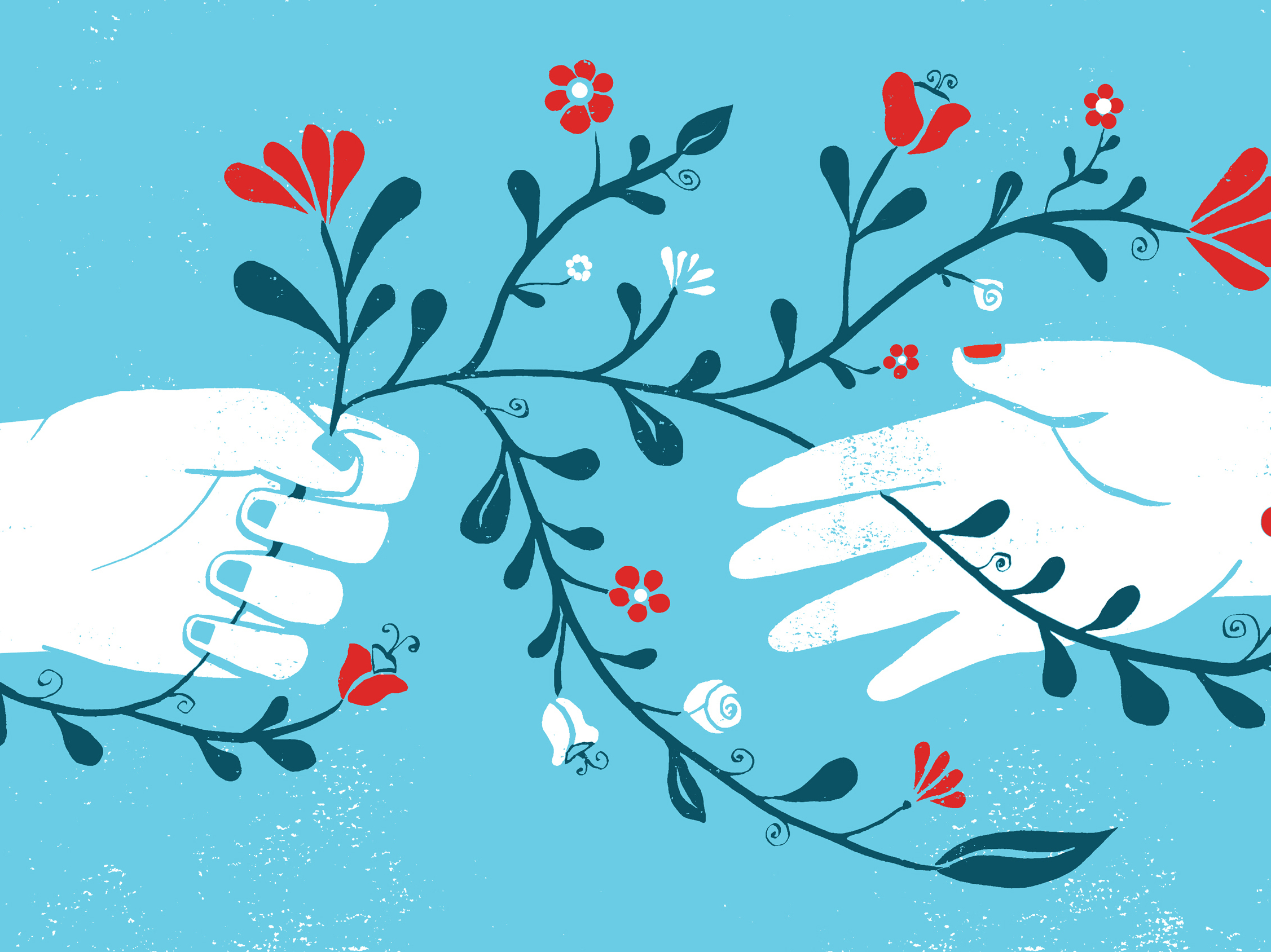
Trauma begets rage, and rage veils vulnerability.
Many view sympathy with scorn, refusing to be cast under its spotlight. Therapists often experience this in their sessions with patients who become enraged by seemingly innocuous comments like, “That was awful” or “That was unfair.” And young therapists usually have no clue how to respond; fearing they’ve offended their patient in an unexpected manner, excessive self-doubt, then, precludes the possibility of a remedy.
Sympathy and pity are two different constructs, yet they often get confused. When the clinician is attempting to provide the former, her client, sometimes, feels the latter. So what’s the difference? Sympathy is a feeling of sadness due to the realization that you or someone else was mistreated. A sense of unfairness about the treatment is implied. For example, I felt ashamed for not having had the courage to stand up to my stepfather when he was verbally abusive. I believed that I should have retaliated when I was a teenager. Most would say that I was treated unfairly because I didn’t have the ability to stand up to him and he wouldn’t have yelled at his boss or someone remotely close to his size. Essentially, if he were to become physically violent, which (based on other experiences) he could have, it would have been an unfair fight. But, when a therapist attempted to downplay the significance of my role, I could only feel his pity.
I heard: You couldn’t have done better, but I believe I would have. Pity is a feeling of sadness due to the realization that someone in an inferior position was mistreated. The one expressing it believes that he is either smarter or stronger, or even more attractive, than the pitied. The message being: I know you’re weak. Thus, the unfairness, or inequality, in this respect is related to the victim and his judge. I deeply detested my therapist’s sympathy because I hated feeling weak and felt ridiculed for it. I was sure he was putting me in my place, informing me of where I stood in comparison to him.
Internalized shame is the progeny of trauma. When my stepfather called me weak, I, on the one hand, felt challenged and invigorated, but, on the other, also hurt. In an honor culture, which demarcates the strong from the weak, sympathy is akin to pity, wherein sadness is merely nothing but a weapon. When a man expresses sadness about another, the implication is that the other doesn’t belong. Age, weight, height are all irrelevant, mere excuses meant for sissies. But, as my therapist and I spoke about my feelings, he told me that he couldn’t believe that happened to a boy. There it was; it hit me! Being bullied wasn’t personal. I wasn’t picked on because of any distinguishing trait. My stepfather mistreated me because he could. Yes, I was weak, but almost any thirteen year old would have been in comparison to him.
Psychoanalyst Nancy McWilliams asserted that shame is “typically characterized by withdrawal from social intercourse, which can have a profound effect on psychological adjustment and interpersonal relationships. Shame may motivate not only avoidant behavior but also defensive, retaliative anger.” So, in my therapist, I perceived another male authority figure reminding me of my flaws and, most importantly, shaming me for them. In my honor culture, weak emotions were either for or directed toward the weak. I’ve argued elsewhere that shame is the underbelly of depression, and depression is often the catalyst for sensitivity. When you feel ashamed, it’s difficult to know if you’re being helped or attacked; even the apparently genuine must be a mirage.
I spent years resisting therapy, believing that my therapists were trying to shame and control me. And many of the individuals offended by pity tend to feel victimized by it, although far from the sympathizer’s intent. Most of our social judgments are not only wrong but are cultivated in cultures hyper-focused on competition and survival. Yet, sympathy is the great equalizer, telling us that our experiences, and more specifically our struggles, matter. So, I finally understood that my therapist was implying (and eventually told me) that if he were in my position, he would’ve responded the same way. His sympathy, unlike pity, was based on empathy and humility; he grasped my plight and knew what he could and couldn’t do. By lowering my expectations for my adolescent self, I also learned how to express sympathy without underlying scorn, affording myself the gift of humility by accepting those specific weaknesses. This is, and was, good therapy.


Leon, I so appreciate your writing,
and what you’ve shared in your own healing journey.
Thank you for your articles. I always look forward to reading them.
LikeLiked by 1 person
Thanks so much! I’m really happy they resonate with you.
LikeLike